
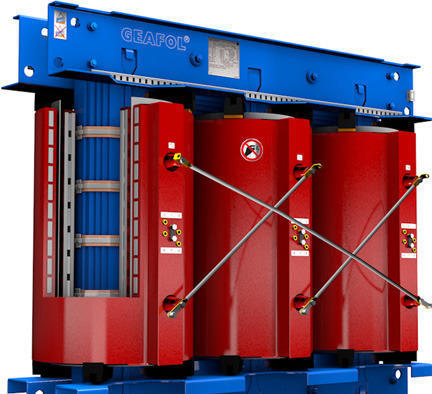
As an essential part of the electrical transmission system, transformers are high-performing and are often subjected to heavy stress. Even the low-tension transformers deal with variable elements like heat, cold, and load. To maintain its peak performance that lasts long, a combination of factors needs to come together. High conductivity of cores, grounding and isolation, tight terminals, and perfect alignment of the overall assembly are some of the non-negotiable aspects. Insulation and cooling are not just safety features but an essential part of the entire function of the transformers. While there are several types of transformers based on insulation medium, dry-type transformers and oil-immersed transformers are the two prominent ones. At Mahendra Transformers, we provide both of them, as each has its advantages. In this blog, we are going to learn about their pros and cons.
Why Insulation and Cooling of Transformers is Important
The windings and the related cores of transformers exchange high energy between them in the form of current or voltage. The insulating medium creates a barrier between the windings to prevent electrical discharge or arcing and ensure the current flows in the intended direction. Besides the overarching, transformers are also threatened by heat caused by electrical losses. Hence, the insulating medium also acts as the cooling medium to dissipate this heat.
Pros and Cons of Dry Type Transformers
In dry-type transformers, the cooling and insulation are achieved by different techniques. Vacuum is impregnated into the epoxy resin, which encloses the windings. The windings are separated by air, which is the essential barrier instead of oil. These are innovative solutions which has several pros due to the absence of oil.
Pros:
- No risk of leakage, spilling or greasing.
- Eliminates the risk of fire. Ideal for areas where fire safety is crucial.
- Due to fire-resistant cores, it can be installed near load. The proximity reduces the voltage drops and power losses.
- Requires much less maintenance in cleaning and repairing.
- It can withstand high-moisture environments, and there is no need to pre-dry after shutdown.
Cons:
- The cost of dry-type transformers is higher for the same ratings as oil-immersed transformers.
- Air gaps increase the size of these transformers, hence they are slightly heavier.
- These are applicable in low-voltage applications only. High voltage can bypass the insulation of epoxy resin enclosures, leading to device damage.
- They operate at higher noise levels.
Pros and Cons of Oil-Immersed Transformers
Oil-immersed transformers use oil with high dielectric strength to create a barrier between windings and keep the transformer cool. Besides, it also acts as a lubricant and extinguishes voltage overarching.
Pros:
- It has a vast scope of applications from low to high tension distribution and transmission.
- Better dissipation of heat because of the high dielectric strength of the oil.
- Long lifespan, given there is routine maintenance.
- Costs less for a high voltage transformer as it is lighter and compact
- Operates at low noise levels, as oil also works as a dampener.
Cons:
- The oil leaks can cause fire if they come in contact with sparks or high heat.
- Spillage needs extra effort and mechanisms to dispose of the waste.
- Regular oil checks and filtration are needed.
- More cost in maintenance is invested.
Conclusion
Both dry-type and oil-immersed transformers are used for electrical transmission from power generation to the user end. While dry type is highly useful for areas with sensitivity to fire and low voltage distribution, oil-immersed ones have a wider scope but need higher maintenance at the same time. If you need to consult or get any of these installed, reach out to the support team of Mahendra Transformers for complete guidance, delivery, installation and commissioning.